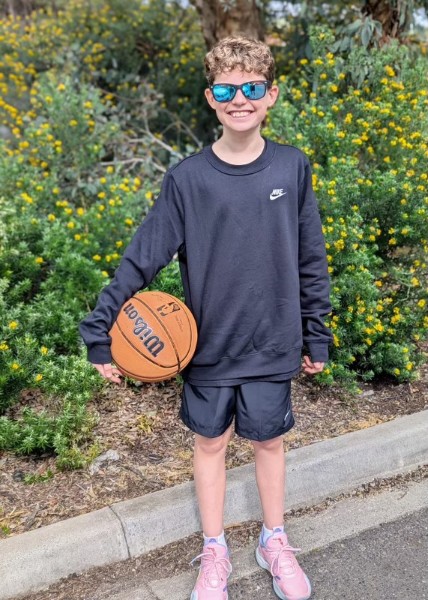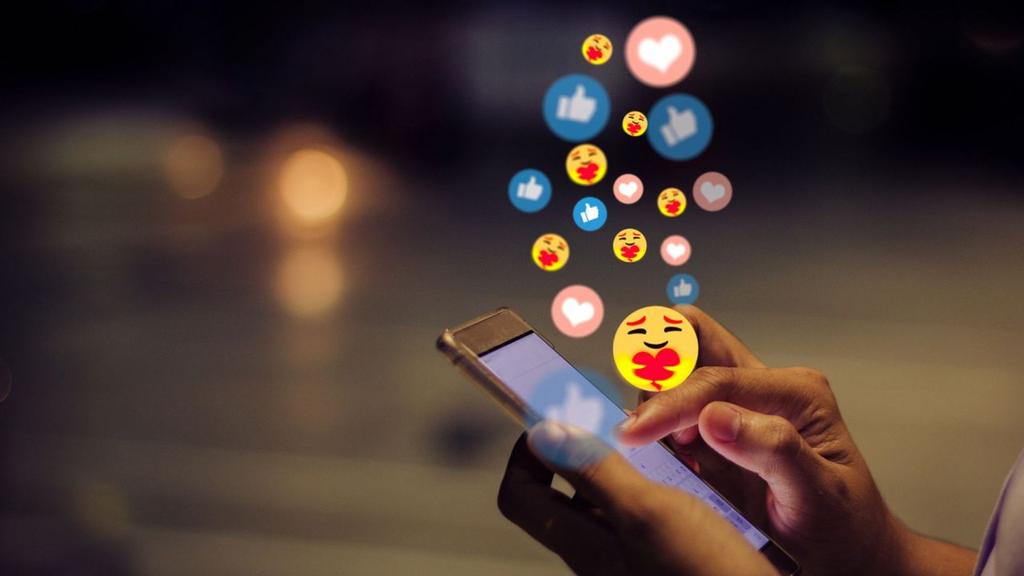
Francis Callaghan lives in Australia and uses social media daily to connect with his friends. This is one of a series of articles Francis is writing to educate parents/guardians and kids about the online world, from a kid's point of view!
SOCIAL MEDIA A guide to help parents/guardians understand kid's slang and emoji use now a days. Confused by the emojis your kids are using? You're not alone. Modern emoji usage often carries hidden meanings that can be very different from their literal appearance. This guide will help you decode what your kids are really saying with emojis.
Trending Positive Negative 12-13 Yrs 14-16 Yrs Parent
Cap Means 'cap' or 'that's a lie'. If something is 'no cap', it means 'no lie' or 'for real'. Trending
Eyes Usually used as if someone wanted to hear more gossip or to say check this out. Trending
Face formation Expresses shock, confusion, or awkward silence Trending 14-16
Extreme laughter Used to convey genuine laughter like you're rolling on the floor laughing. Positive Trending
Shush This emoji often is used to ask someone to be quiet or to show secrecy or new product releases coming out in the future. Trending 12-13
Water pistol Used to represent a handgun or just a fun water pistol. Fact - it was actually originally a gun but pressure from media outlets and social media users made apple turn the gun into a kid's water pistol. Trending 12-13
Rolling eyes Rolling eyes is an emoji used to express disbelief, annoyance, impatience, boredom, disdain or sarcasm. Trending Negative Parent
Pile of poo If someone uses this definition they're probably talking about poo. For example someone might go 'I feel like poo today '. Positive Parent Trending
Teeth smile Just used to show pure happiness or if you're asking for something you might put the emoji on the end just to lighten the mood. Trending Positive 12-13
Face palm Used to show annoyance or if something was just a bit silly or dumb can also show frustration. trending negative 12-13
Fire The fire emoji is used to indicate whether something is awesome or very good. This can also be used to indicate if something is hot. trending positive 12-13
Skull The skull emoji is used to say something is a 'Dead joke' which can mean it was a lame joke - But this is usually used in a teasing manner. It can also mean something was stupid. negative 12-13
Crying face The crying face can mean to be super sad or also if someone did something dumb they would typically put the crying face on the end along with the 'praying hands' emoji. This can mean 'Why???'. Negative 12-13
Clown face Used to call someone foolish or to make fun of them - 'you're acting like a clown'. Negative
Devil face Represents mischievous behavior or naughty thoughts, can indicate flirting.
Upside-down face Usually represents annoying or awkwardness. Negative
Pleading face The 'pleading face' used to look cute or beg for something. Positive
Zany face Indicates wild, crazy, or silly behavior, often for attention. Positive 12-13
Hot face Used to say something is really hot or if someone is sexy. Negative 12-13
Nail polish Represents sassiness, confidence, or dismissiveness - 'I'm too good for this'. Positive
Cold face Used to indicate if someone is cool or really good at something - also can mean someone is 'cold' or that was cold for example if you shot a three pointer in basketball someone might say 'That was cold!'. Positive
Hundred points Used to give a stamp of approval or to rate something 100%. Positive
Red flag Warning sign or 'red flag' about a person, situation, or relationship. Negative
Ghost Beyond its ghost meaning, it's used when someone 'ghosts' or suddenly stops communicating. Negative
Coffin Indicates extreme laughter - 'this killed me'. Positive
Tea Represents 'tea' or gossip - 'spill the tea' means share the gossip.
Pregnant woman Sometimes used to indicate 'food baby' after eating too much, not just pregnancy.
Dead rose It's used to show heartbreak or grief. Negative 12-13
Why this matters Understanding the emojis your children use can help you:
- identify potential concerning conversations.
- better understand the context of their messages.
- connect with your children in their digital language.
- spot signs of cyberbullying or inappropriate content.
About the author Francis Callaghan is a tech-savvy teenager who brings a unique youth perspective to digital communication. As a contributor to Joey Family, he helps bridge the gap between parents/guardians and their children by explaining modern digital language and trends from an insider's perspective.