Expert Insights on
Digital Parenting
Joey protects kids across messaging and social platforms by reviewing iMessage, Snapchat, Google activity and more, delivering clear safety alerts for bullying, suspicious contacts, concerning language, personal info sharing, money pressure, emotional distress, and other risks so parents can step in with confidence.
Filter by Category
Sort by
Start here
Secure your child's iPhone (step-by-step)
Secure your child’s iPhone with step-by-step guidance on Screen Time basics, communication safety, unknown senders, red flags, and when to enable monitoring signals.
Joey Articles
31 articles available
Featured Articles
 MIT Technology Review
MIT Technology Review examines whether parental monitoring software can create problems of its own. Joey Family is featured in the story, and Grant shares what the findings mean for parents.

eSafety’s three-month report found most children were still using age-restricted social media while parents became less aware of it. Here is what the findings really mean.
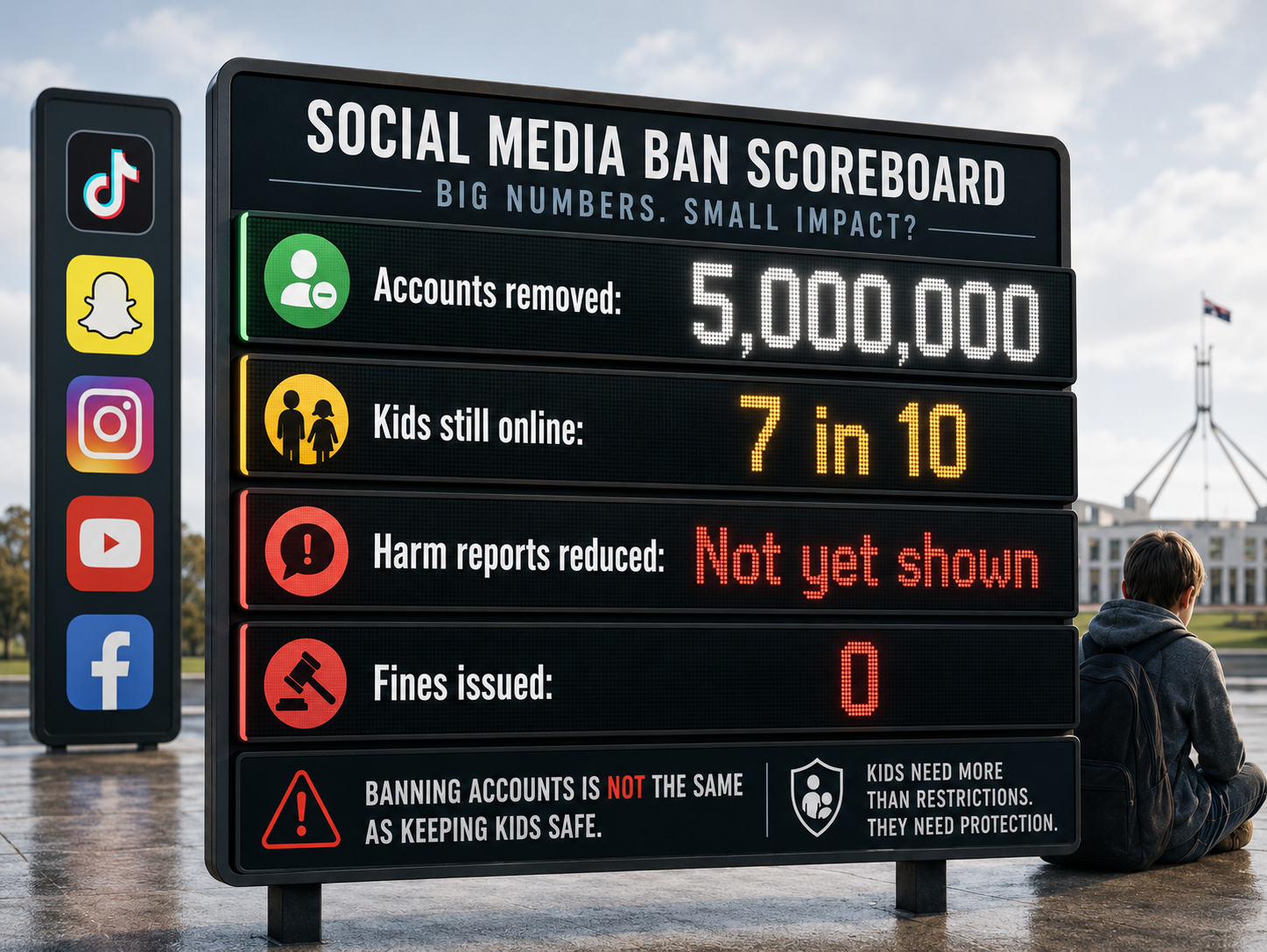
Australia’s under-16 social media ban sounds reassuring, and now the UK wants to follow. But eSafety’s own data shows many kids are still online, harm reports have not clearly dropped, and no fines had been issued by late June.
We tested BrightCanary, Bark, and Joey Family in a real iPhone family setup. Here’s what actually works, what doesn't work, and the real-time vs privacy tradeoff parents should understand.

We use a range of tech to secure our child's iPhone. This is a guide to what we use and how these layers work well together.
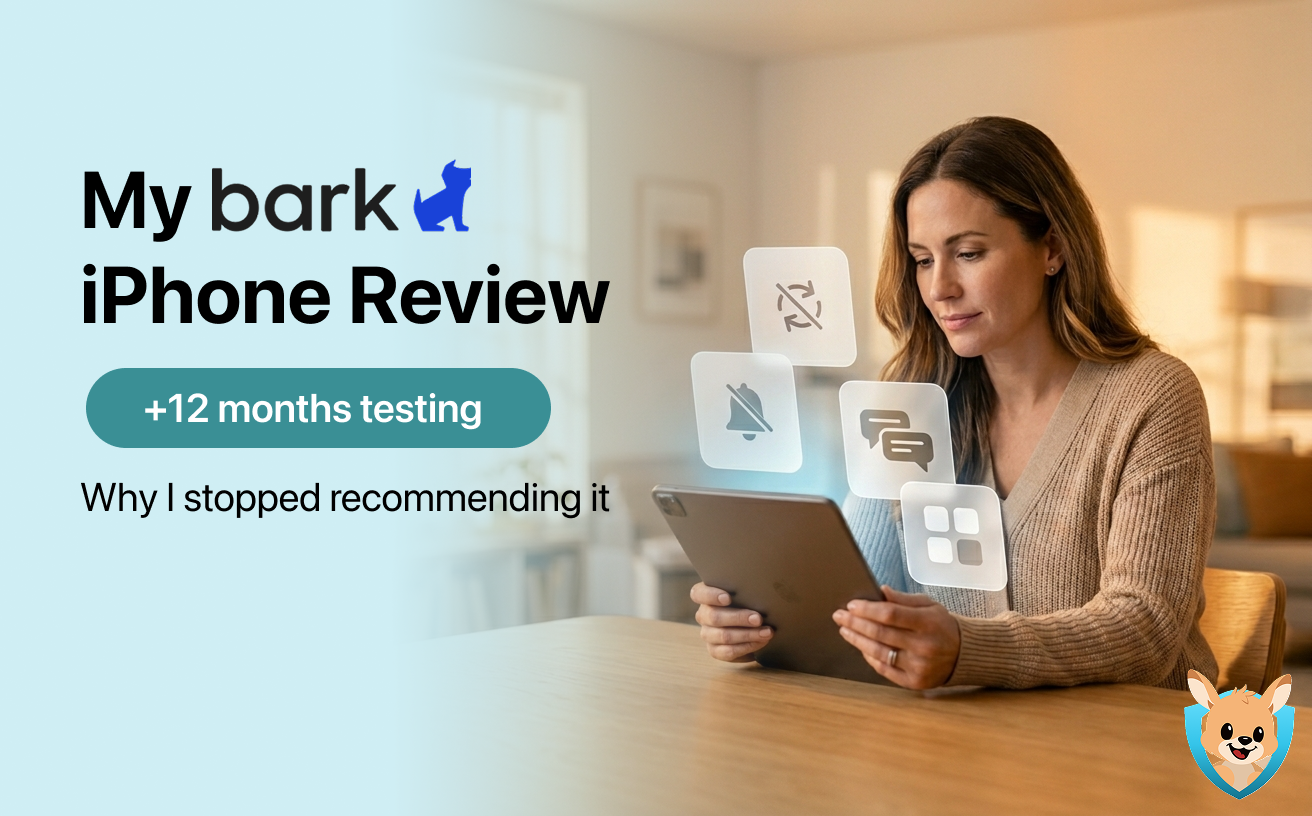
After more than a year testing Bark with my son's iPhone, I would not recommend it to parents who need reliable iPhone message monitoring and safety alerts.

Online safety monitoring poses an ethical dilemma for many parents. The question often arises about how to balance a child's right to privacy with a p...

When my son entered Year 6, I had nagging questions about friends, phones, and what really happens online. This is the backstory of why we started building Joey-and the three facts that shaped it.
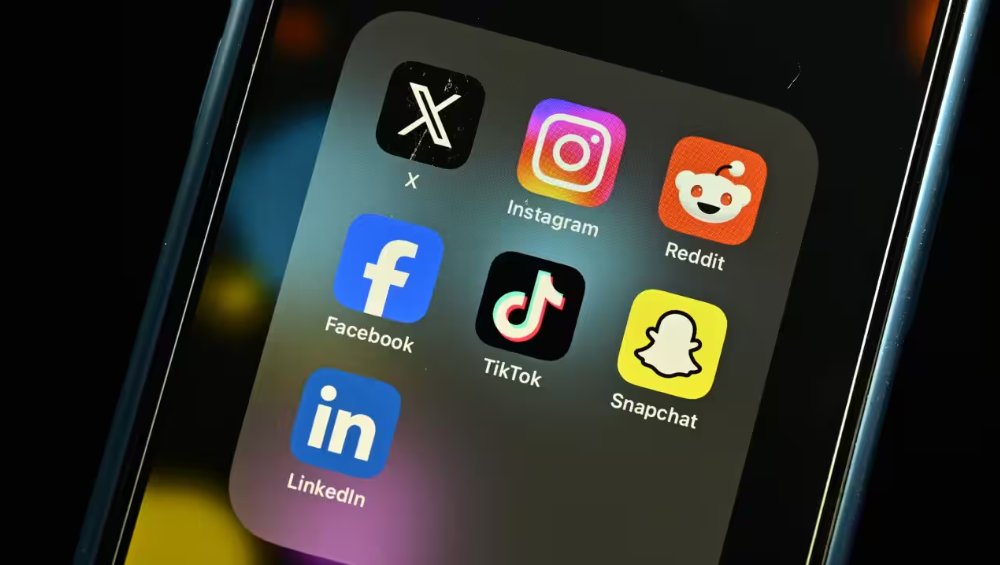
Our latest survey reveals which apps 12-13-year-olds are actually using, how they're using them, and what parents need to know about these platforms.
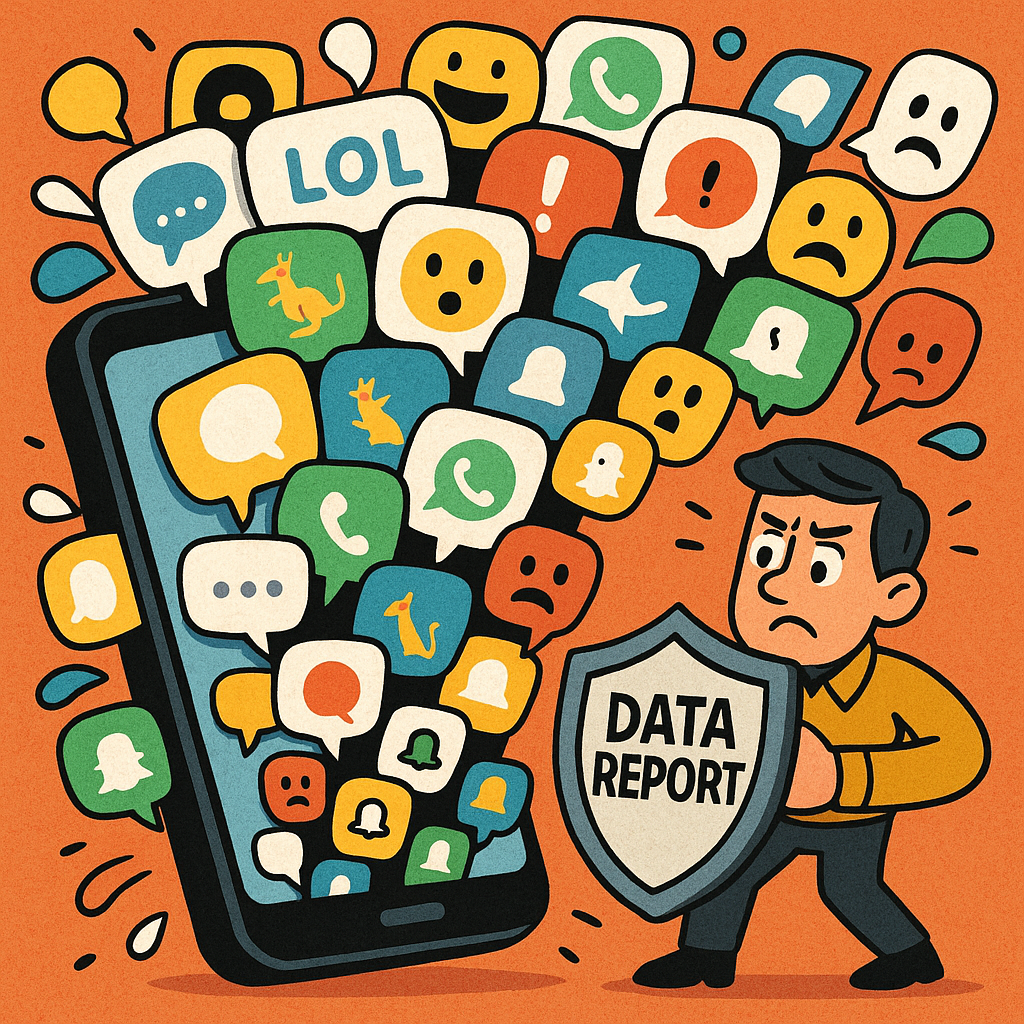
After reviewing our son's message history, we learned how safety signals can lead to better family conversations, and why I should have talked to him first.

Every family needs digital ground rules. Here are the specific rules we've established in our family for healthy device use and online behavior.
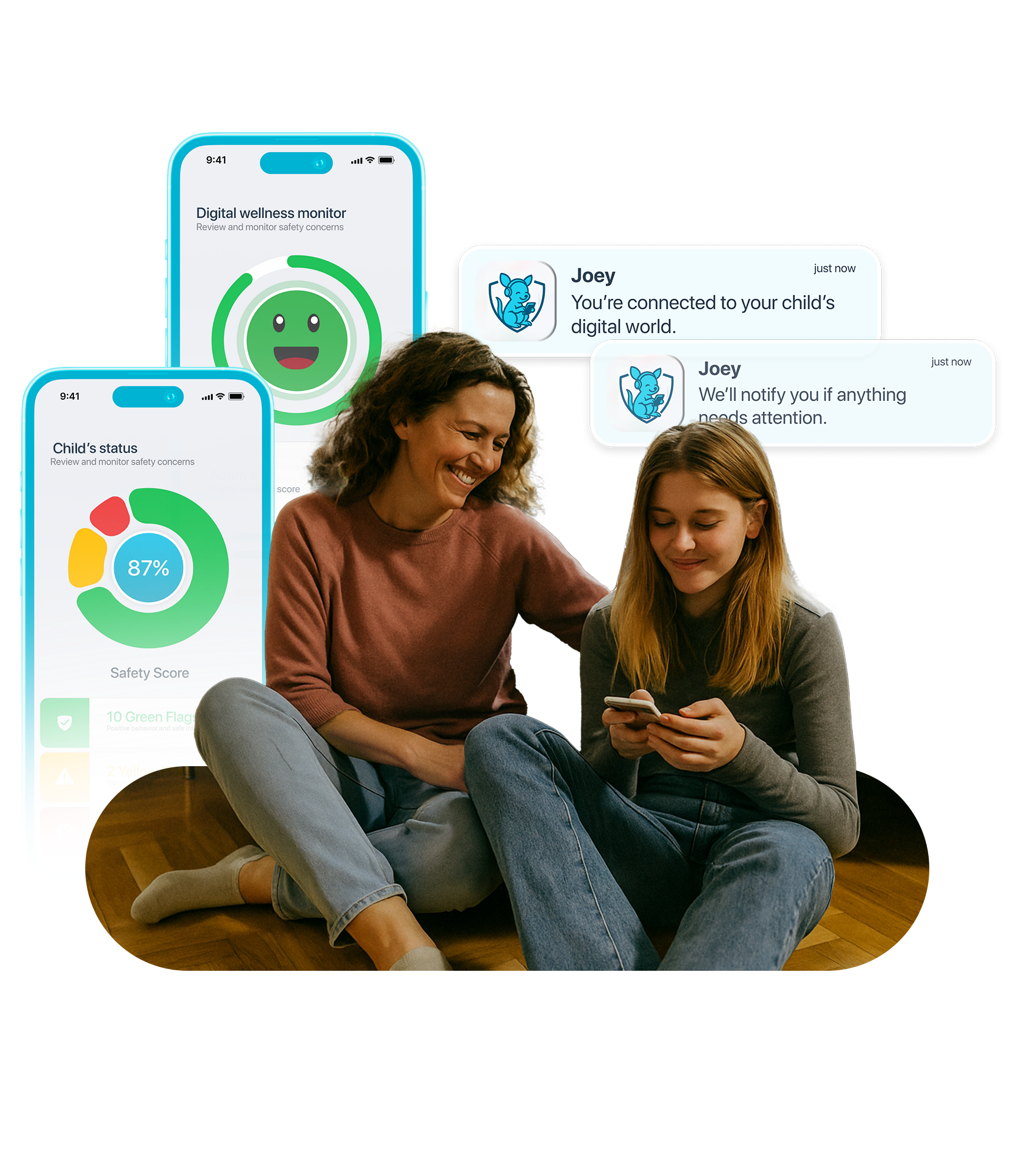
We asked more than 100 parents what they most want to know about their child's digital life. The top five answers reveal where parents most need clarity.
More Articles

Joey Desktop is now available for Mac, giving parents a simple way to connect their child’s iPhone and bring messages and contacts into Joey Family.
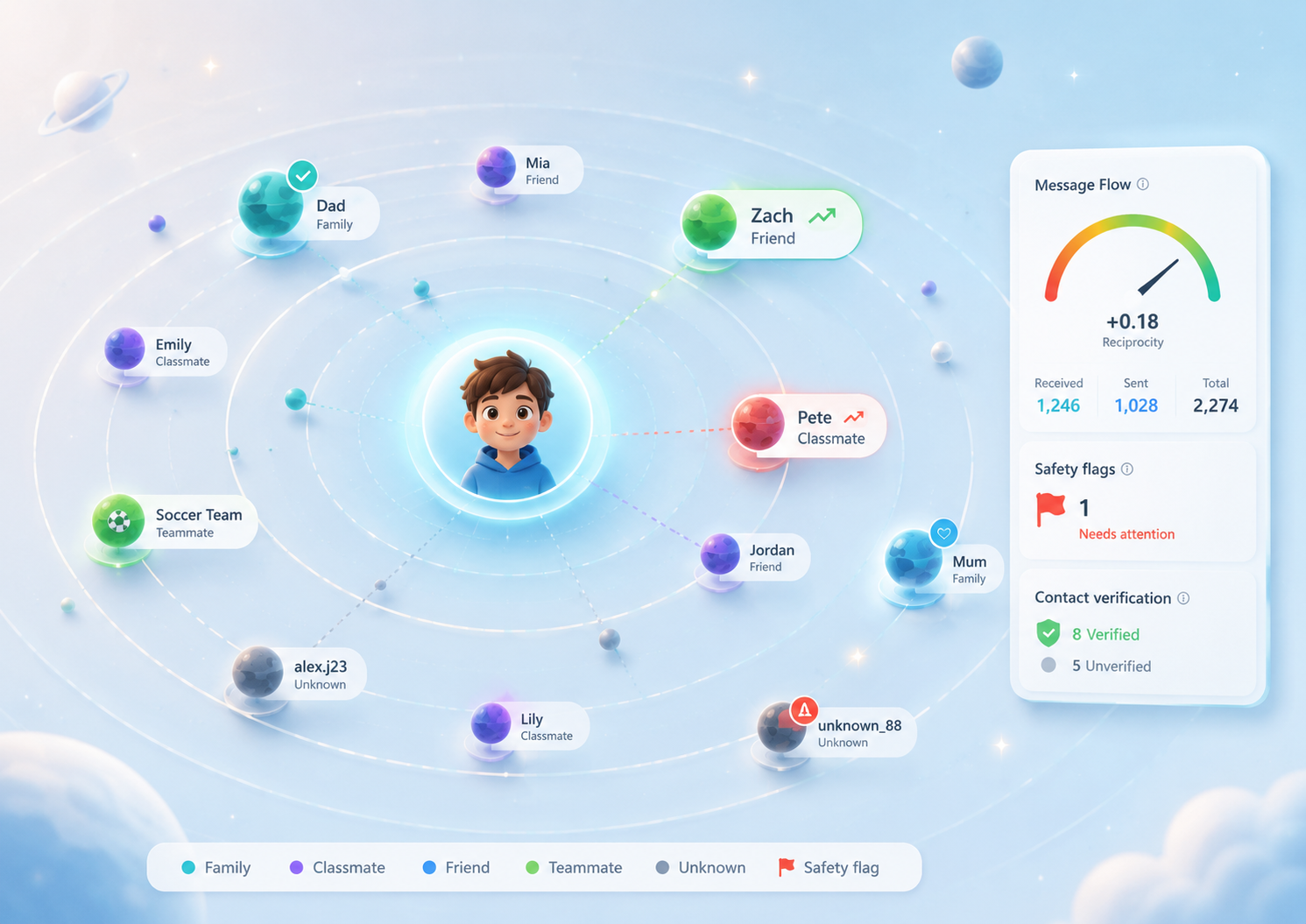
Joey online safety analytics helps parents see who their child is messaging, which relationships are rising or fading, and where safety flags may need a closer look.
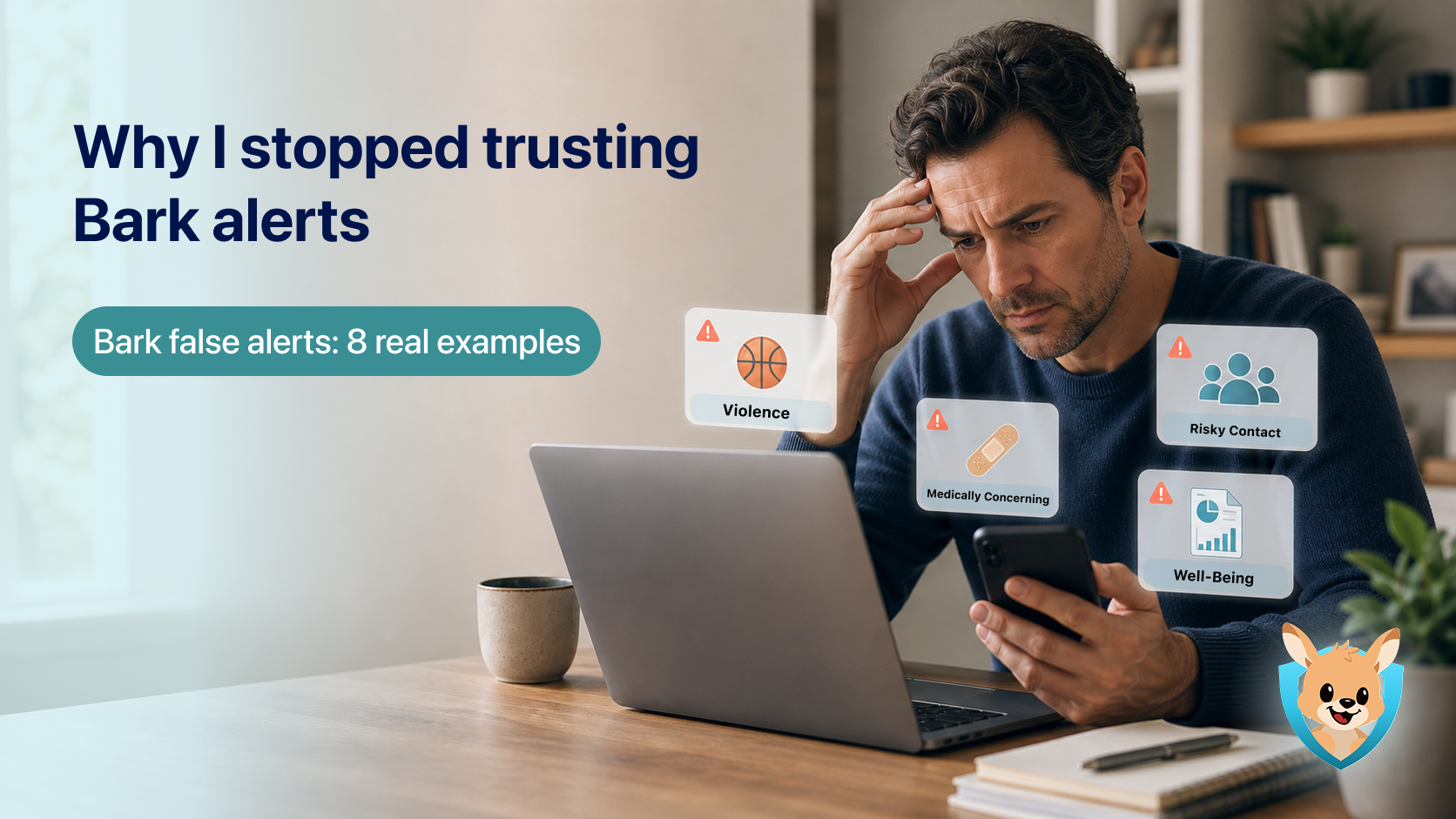
Bark flagged basketball as violence, a Microsoft Family Safety report as sexual content, and ordinary group-chat members as critical risky contacts. Here are the screenshots and what Bark support told me.
Most kid messages are harmless. Some aren't. Here are the patterns that matter-how they start small, how they escalate, and the simple rule we teach our child.

We built Joey for parents that are worried about the dangers their children will face with their first iPhone.

A parent shares how his family is introducing AI to a seventh grader by keeping kids in control, pairing curiosity with clear rules, and sitting together for early experiments.
A 13-year-old shares how Snapchat's new age checks really worked in Australia: emails that went nowhere, prompts kids could skip, and only a few accounts deactivated on Day 1.

Bullying rarely starts with one awful text. Spot the patterns in iMessage, group chats, and Snapchat -- and use Joey's playbook to respond.
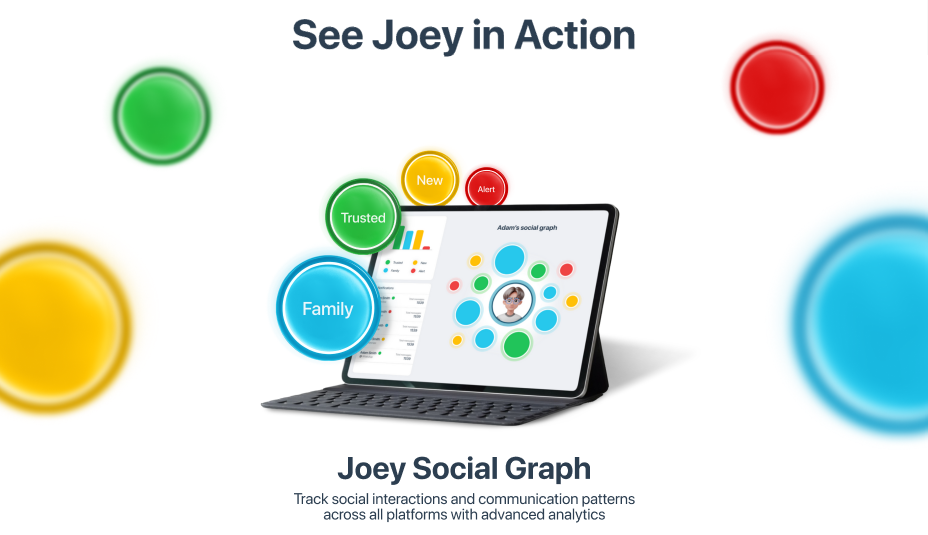
See your child's digital galaxy: who they talk to most, rising and fading contacts, and flagged relationships, with one-click actions to verify or review.

Learn the behavioural signs, language red flags, and Joey tools that help you recognise grooming attempts fast and respond safely.

Group chat drama can escalate quickly and impact your child's mental health. Learn to recognize the warning signs and how to help your child navigate these situations.

When your teen receives money requests from friends or strangers, coach them through scripts, household rules, and real-world conversations that build financial safety.

Emoji use among young people often worries adults, but are these concerns justified? Let's examine the reality of emoji communication and when parents should actually be worried.

Emojis have evolved into a complex language with hidden meanings. This guide helps parents understand common emoji combinations and slang used by teens.
Australia's social media ban for under-16s starts Dec 2025. Hear what kids think, what eSafety says, and what parents should know.

Teach calm, repeatable rules for dealing with unknown contacts on iMessage and use Joey to flag and verify new numbers without reading every message.

Just as we build physical fitness, we can develop mental fitness to help children thrive in the digital world. This approach focuses on building resilience rather than just avoiding risks.

Snapchat continues to be a favorite among teenagers despite competition from other platforms. Understanding its appeal can help parents better support their teens' digital experiences.
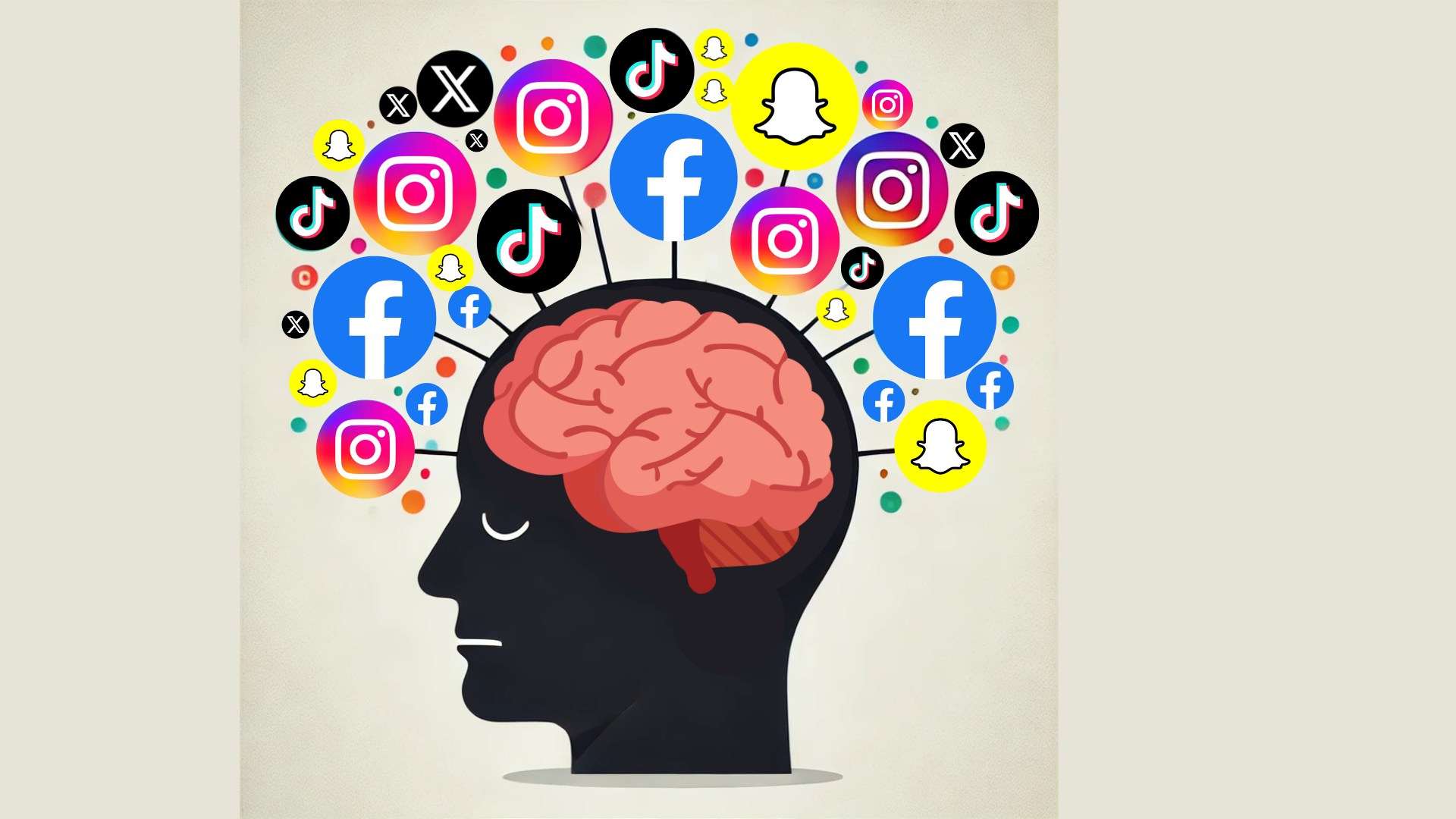
As a teen who grew up with social media, I share honest insights about how these platforms really affect young people's mental health and what parents should understand.